

Central Air Conditioner Installation in Itasca, IL
For the great bulk of homes, central air installation is fraught and too complex with threat to attempt without skilled assistance. This is owing to the know-how needed, the bureaucratic wrangling of permissions and licensing requirements, and the threat of voiding warranties if the components are installed mistakenly.
What do Central Air Conditioners do?
A central air conditioning conditioner cools air in one spot prior to distributing it throughout the home utilizing the heater’s air handling capabilities. This sets it apart from window or wall air conditioning unit or mini-split systems, which all chill relatively tiny locations and need numerous units to cool the entire house.
Many single-family houses in the United States with central air utilize a split system. This implies that the device is divided into two parts: an evaporator coil within home and a compressor exterior.
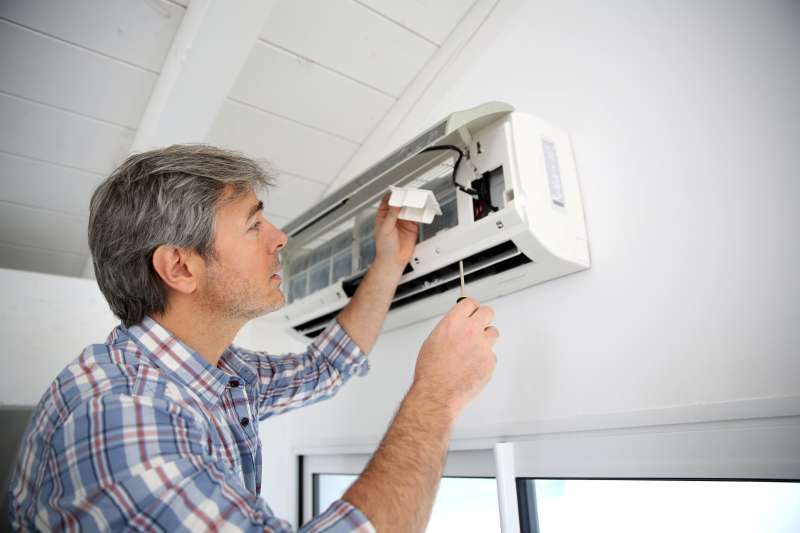
Working With Professional Central Air Conditioner Installers in Itasca, IL
When consulting with specialists, ask about their approach to the task. Pay attention to the questions they ask! An installer ought to ask clarifying questions so that your choices and choices are represented in their price quote and the end result.
Planning for Central Air Installation in in Itasca
Setting up central air is a large endeavor that requires substantial preparation ahead of time. Request that your contractor inspect their treatment and validate that they will manage any required authorizations or other essential documentation.
Discuss with your specialist just how much you worth energy effectiveness above initial expense. This is also an excellent minute to discuss the position of the condenser unit and the kind of thermostat you pick.
Sizing for your Central Air Conditioner
Your contractor will assist you in determining the suitable size central air conditioning conditioner for your home. A unit that is too little will run practically continually, whereas a system that is too large will chill the house too rapidly and shut down before completing a complete cycle.
The quick on/off in the latter circumstance is taxing on the system. It can cause the evaporator coil to freeze, and a frozen coil avoids air from streaming. As a outcome, a big air conditioning unit may be less efficient at cooling than a smaller unit.
Your Air Conditioner installation will do a calculation known as a “Manual-J” to recognize the very best system for your home. This will take into account all of the parameters we’ve mentioned and more, resulting in the most accurate size possible.
We understand that lots of homeowners like to have a basic idea of what size they need ahead of time. Here’s a rough estimation of main air conditioner size: To get the Btu needed, multiply the square video of your home’s conditioned location by 25, then divide by 12,000 to acquire the tonnage.
Keep in mind that this is merely a standard price quote, and there are a number of factors. If your house’s very first floor has 12-foot ceilings, the air conditioner will have more air to chill.
Getting an Estimate for a Central Air Conditioner in Itasca, IL
Once you’ve gone over the standard strategy and gone over model possibilities, the professional needs to use you an quote. As always, obtain written price quotes from different providers. The only exception would be if you’re installing a/c in a brand-new home, given that the builder will most likely handle it.
Don’t be hesitant to seek clarifying information or demand cost breakdowns when working with a home builder or independent HVAC specialist. Even if the contractor is unable to information whatever, they must be prepared to interact sufficiently to help you feel more at ease with the procedure.
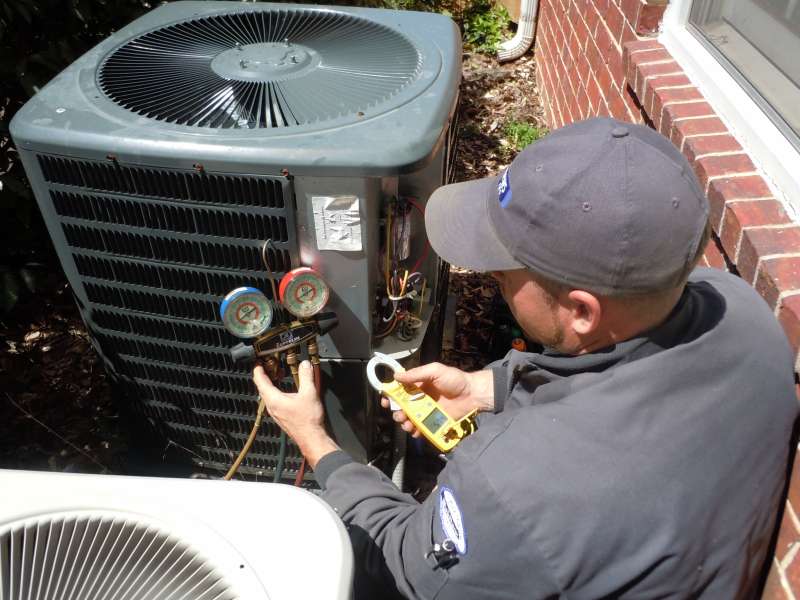
How Much Does Central Air Installation Cost?
Costs vary based on the local market and the job information, as with any significant job. For labor and supplies, a typical split system central air conditioning installation utilizing an existing heater might cost between $3,000 and $7,000 or more. Typically, that expense will be divided around 60/40, with labor accounting for majority of it.
Bear in mind that you will most likely be paying complete retail rather than receiving a commercial discount, so the whole expense of the task may not be cheaper than the professional’s estimate. You’ll also have to perform your own sizing, and you’ll be held responsible if there are any problems with the devices.
If you’re changing an existing central air conditioning system, expect an extra price to remove and dispose of the old system and refrigerant. When constructing a heating system and cooling system, the cost of each component is frequently reduced, while the overall expense of the work is higher.
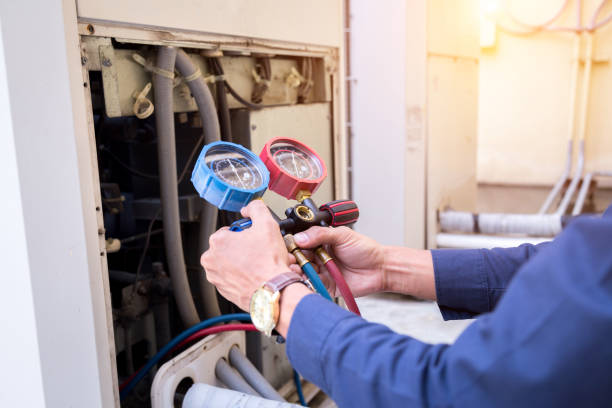
The Central Air Installation Process
It should take around a day to complete the installation. The major steps are summarized here.
Duct work installation or modification
- Any duct work should be limited in homes with existing furnaces or air conditioning, generally no more than an extra return line.
- If ducts must be placed, work with your contractor to disguise them in closets or soffits to minimize expensive drywall repairs.
- Duct work should be done before drywall is put in new construction.
Interior unit
- The evaporator coil is installed within the furnace plenum.
- The plenum is the part of the furnace on each side of the air handler where air enters and exits the home.
- The evaporator coil will enter the supply plenum, which serves as the furnace’s “outflow.”
Exterior unit
- Several considerations influence the positioning of the outside unit, including:
- The distance between the inside unit and the electrical service panel;
- The levelness of the ground;
- The proximity of the loud external unit to windows or doors;
- Distances needed by code from gas or water meters (refer to your local building department for specifics).
Connect the line set
- A pair of copper pipes connects the two parts of a split system, forming the direction the refrigerant will take.
- The most direct route from the evaporator to the condenser will primarily decide the course of the line set.
- If you have any issues regarding the route, communicate them to the contractor as soon as possible.
- To avoid water infiltration, the penetration to the external should be sealed.
Connect the Electrical Supply
- An outside cutoff will be required for the condenser unit.
- The electrical line will connect the condenser to the shutdown, then to the electrical service panel.
- If your circuit panel is already overloaded, you may need to update it to withstand the extra demand of the air conditioner.
If the project was planned properly, any work on the panel should already be included in the project estimate.
There will also be a low-voltage wire connecting the condensing unit to the furnace so it can be controlled by the thermostat.
Condensate Drain Line
- All air conditioners generate condensation, much like the sides of a glass of ice water. That condensation needs to be drained.
- Units located in a basement typically run to a floor drain.
- Units located in attics may pipe water outside, or may use a drain pan that allows water to evaporate — the same way refrigerators allow condensation to evaporate.
Thermostat
- When installing central air conditioning in a new home, you must select a thermostat.
- If you’re retrofitting central air conditioning into an older home, you may need to replace the thermostat with one that can also manage cooling.
- This is one phase in the process that is ideal for a little do-it-yourself effort.
- Some homeowners buy a basic thermostat for the installation and subsequently upgrade to a programmable or smart thermostat on their own.
Repair/Retrofit vs New Unit Installation
If air conditioning replacement is likely within the next few years or if you intend on transitioning to a new home heating system, you might want to give some thought to skipping the AC retrofit and go right to setting up a brand new energy-efficient, eco-friendly Central Air Conditioning system.
We can provide Central Air Conditioning Installation for all areas in Itasca, IL including: DuPage County, , , in Zip Codes 60143 and in Area Codes 224, 630, 847
Also offering Central Air Conditioning Services throughout DuPage County